Connecticut River Valley Grassland Bird Project
A regional partnership among four conservation districts, the Connecticut River Valley Grassland Bird Project aims to increase the nesting success of grassland birds in the Connecticut River Valley by providing information, technical support, and financial assistance to landowners and farmers who manage hayfields.
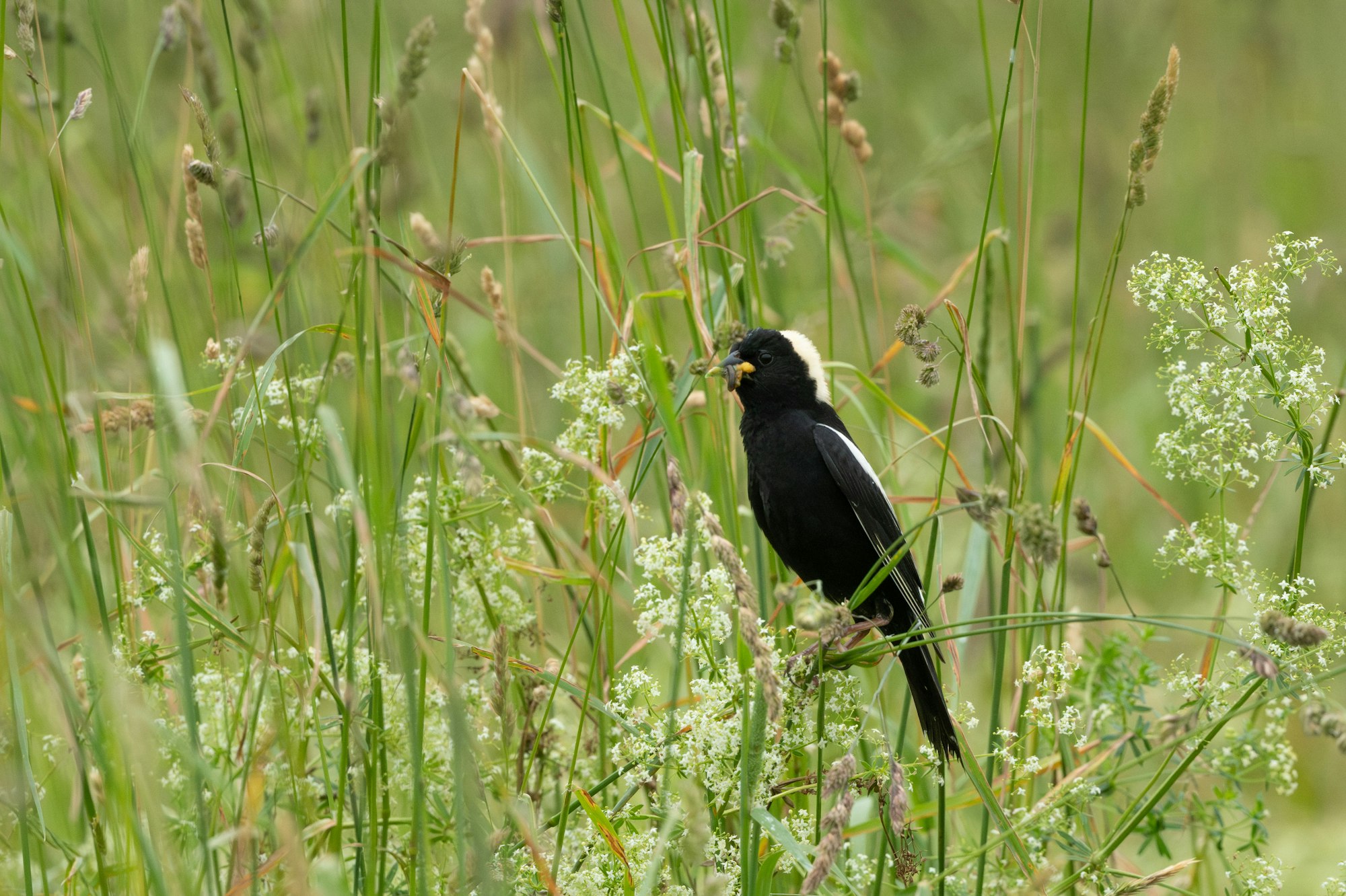
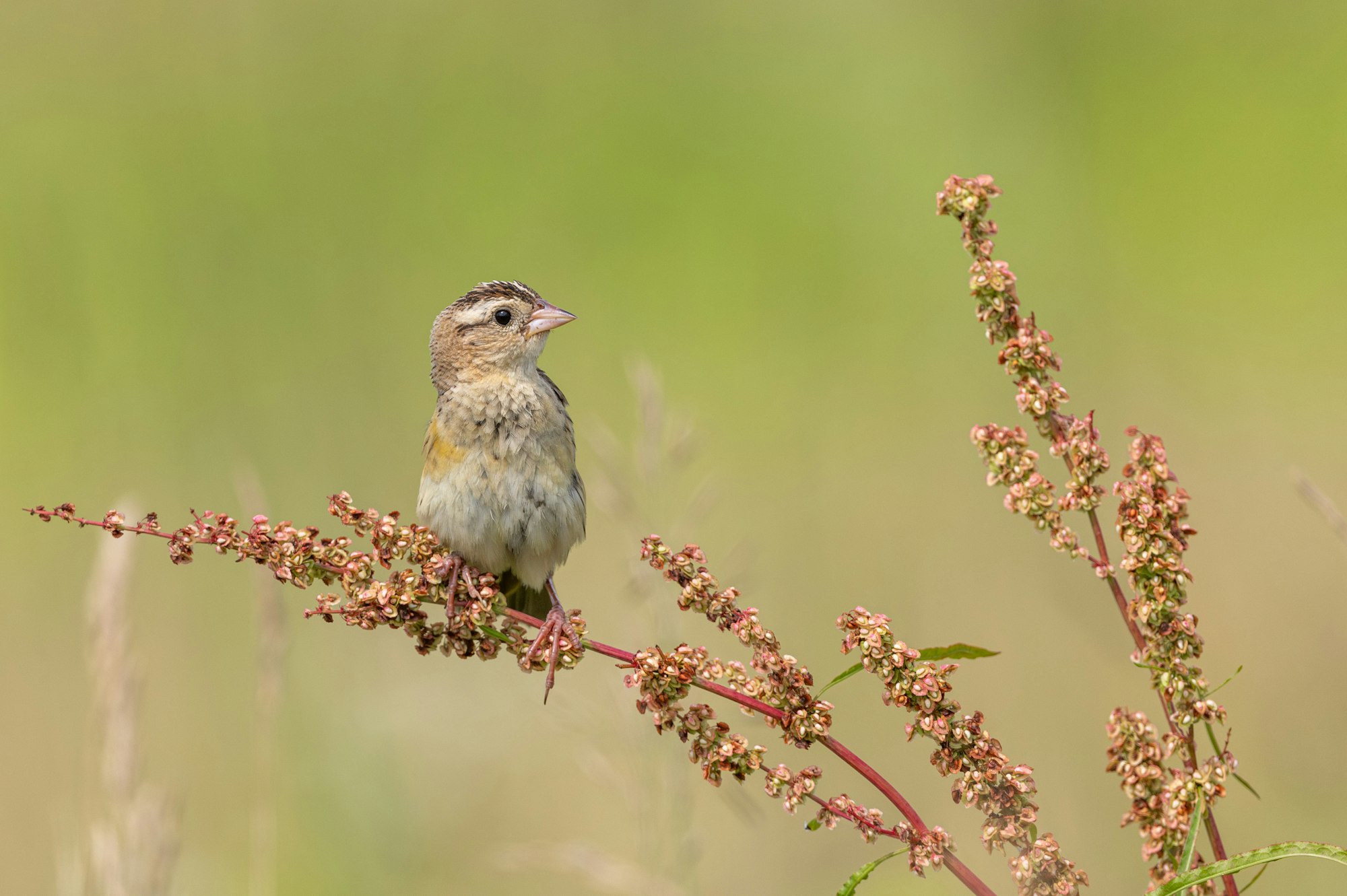
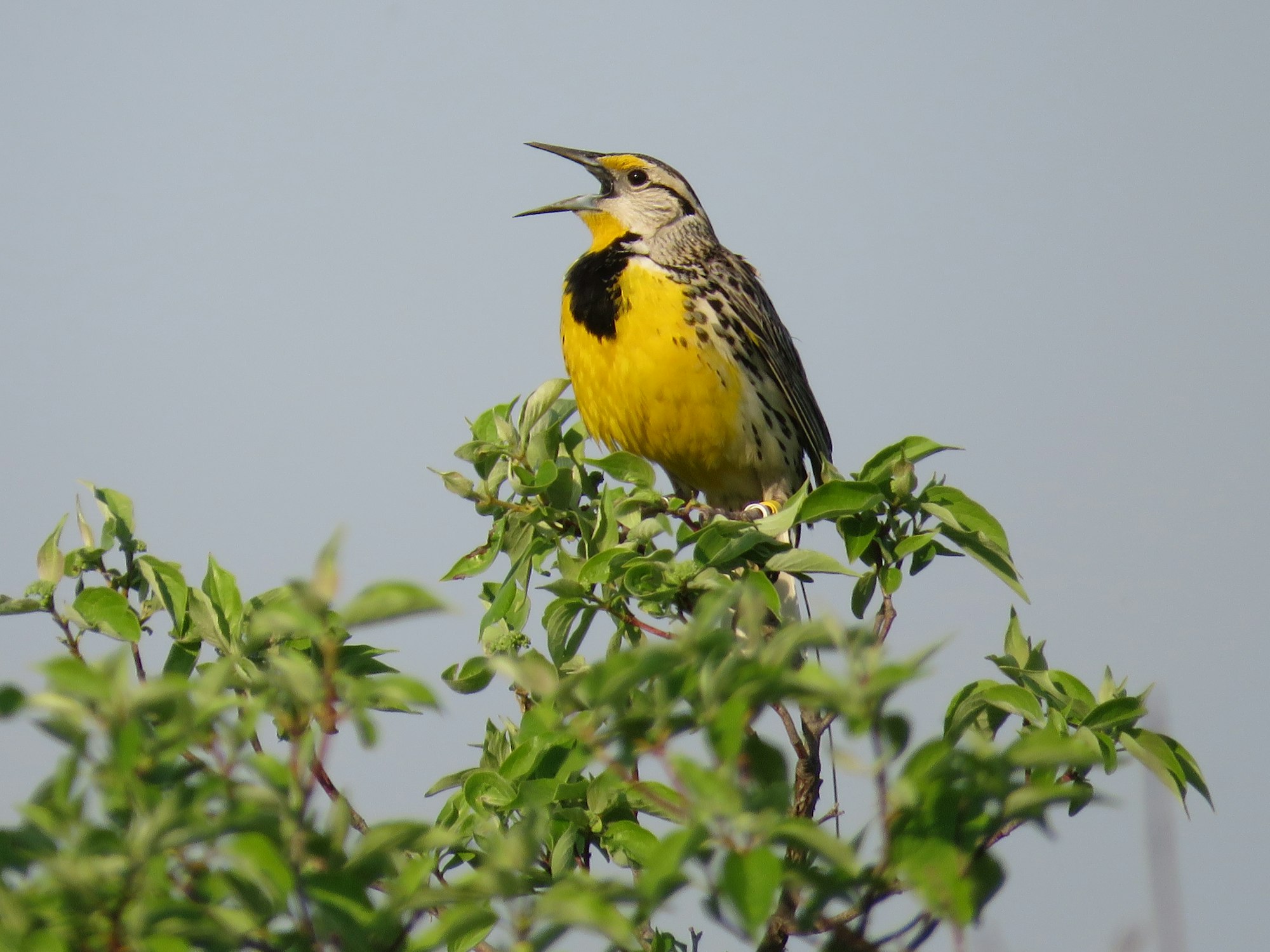
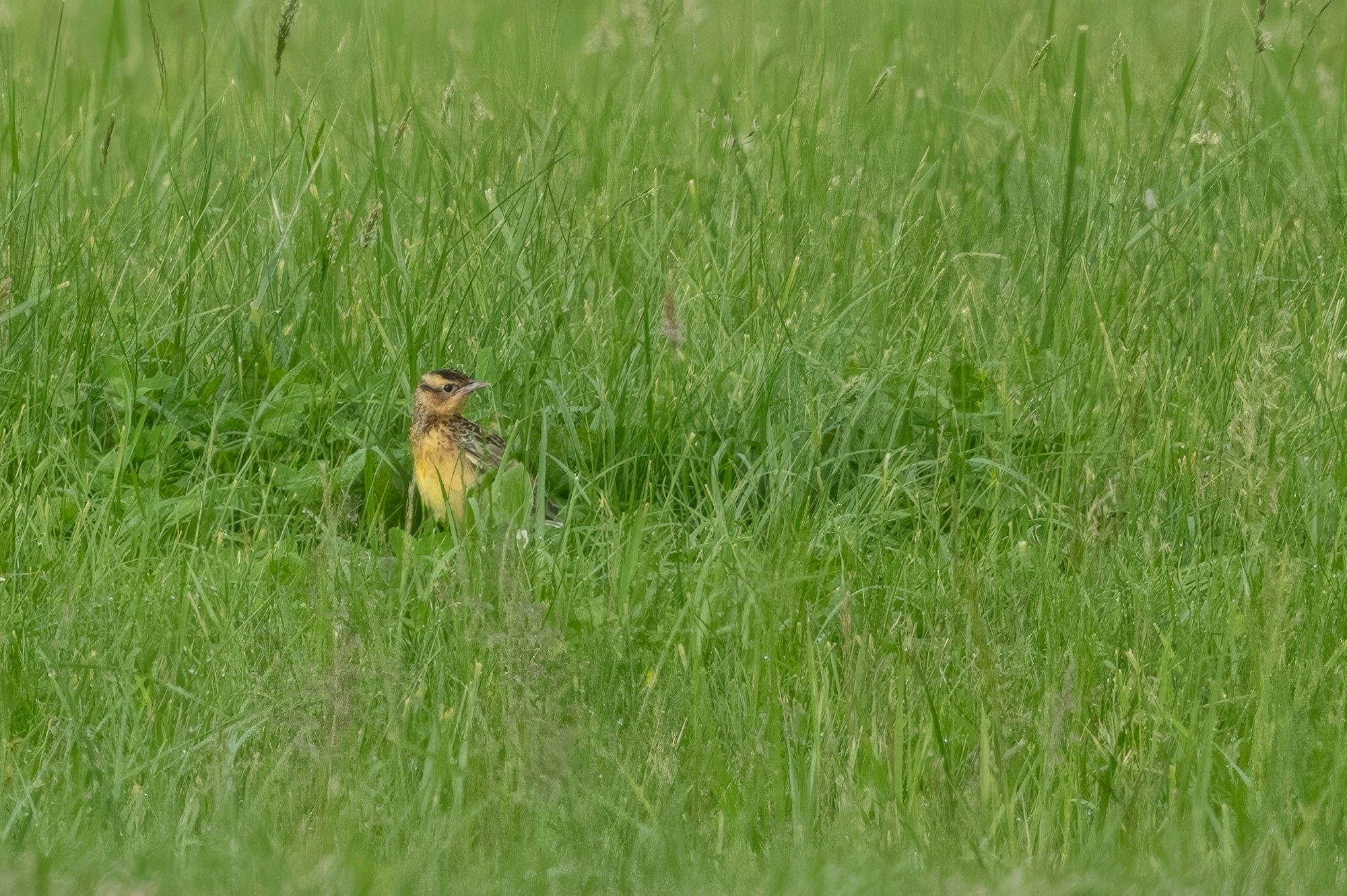
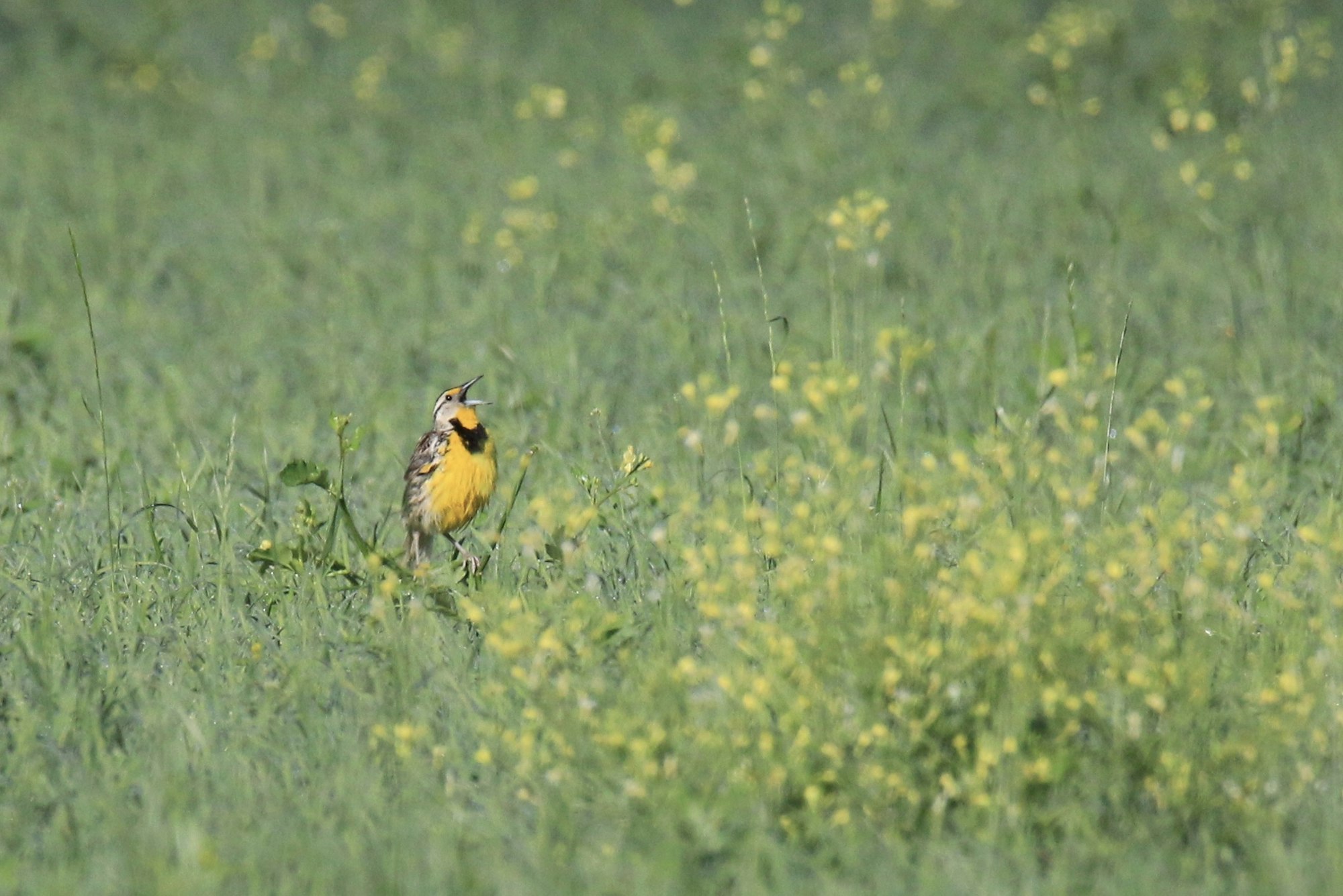
Grassland bird species, including Bobolinks, Eastern Meadowlarks, and Grasshopper Sparrows, are declining faster than any other group of birds in New England. As economic pressures push farmers to mow hay fields earlier and more frequently, these ground-nesting birds are disappearing from our landscape. Even a small delay in mowing during peak breeding season can make a significant difference for grassland birds.
With funding from the National Fish and Wildlife Foundation, we can offer producers technical assistance as well as financial incentives to offset the loss of income from delayed mowing or delayed grazing. Our program is flexible and offers customized assistance to balance landowner needs and grassland bird protection.
Our project area encompasses Windham and Windsor Counties in Vermont and Cheshire and Sullivan Counties in New Hampshire. If you own or manage hay fields within this area, we would love to hear from you!
Contact Us
Contact Kate McKay, Seasonal Avian Technician, at mckay.wcnrcd@gmail.com or 802-380-3848 to learn more about this program or to arrange a site visit.





Learn More About Our Region’s Grassland Birds
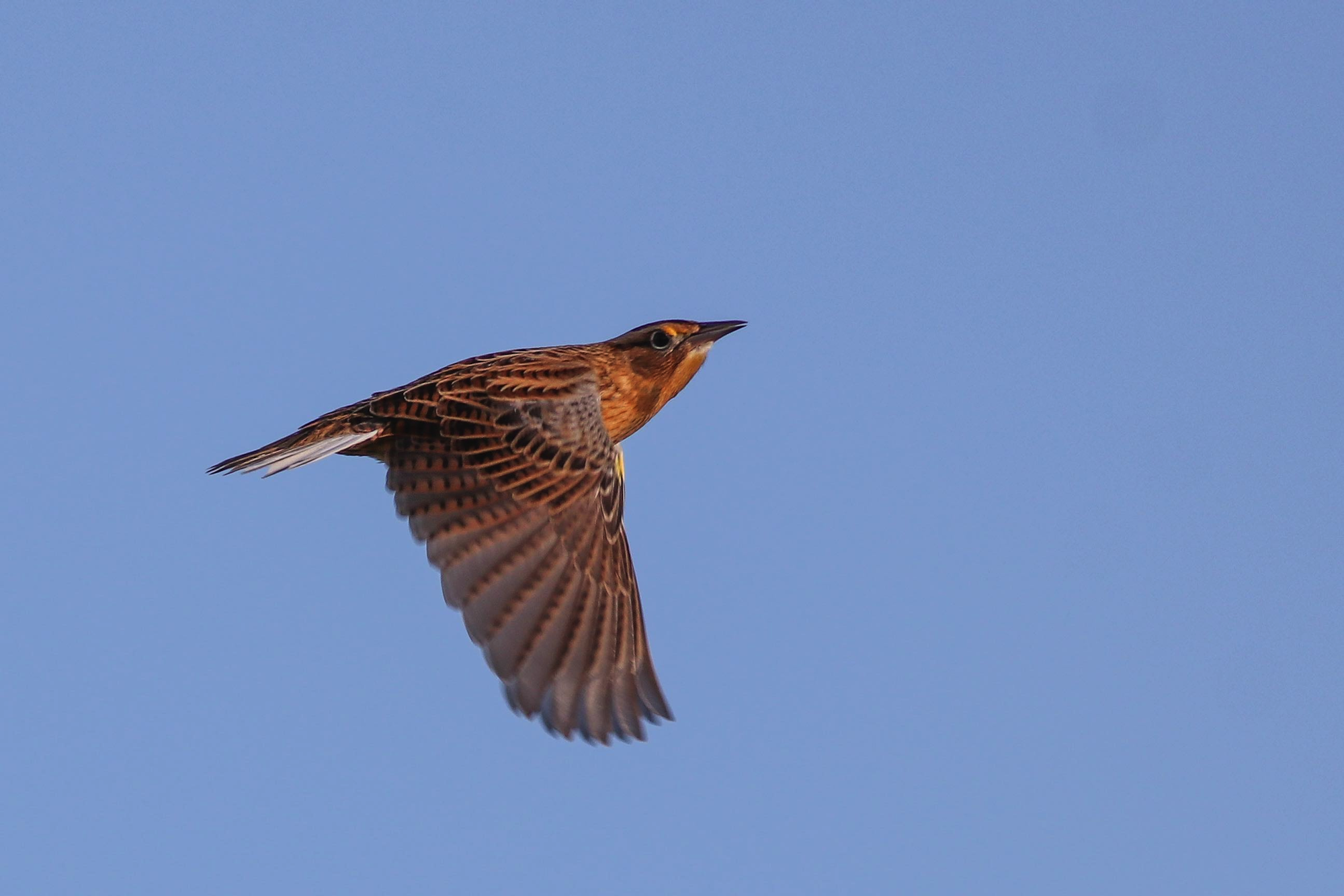
Our grassland bird populations are in steep decline. Meadowlarks have lost more than 95% of their population in the last 50 years. Meanwhile, Bobolinks have declined by 60-75% over the past 50 years. These birds need any help they can get.
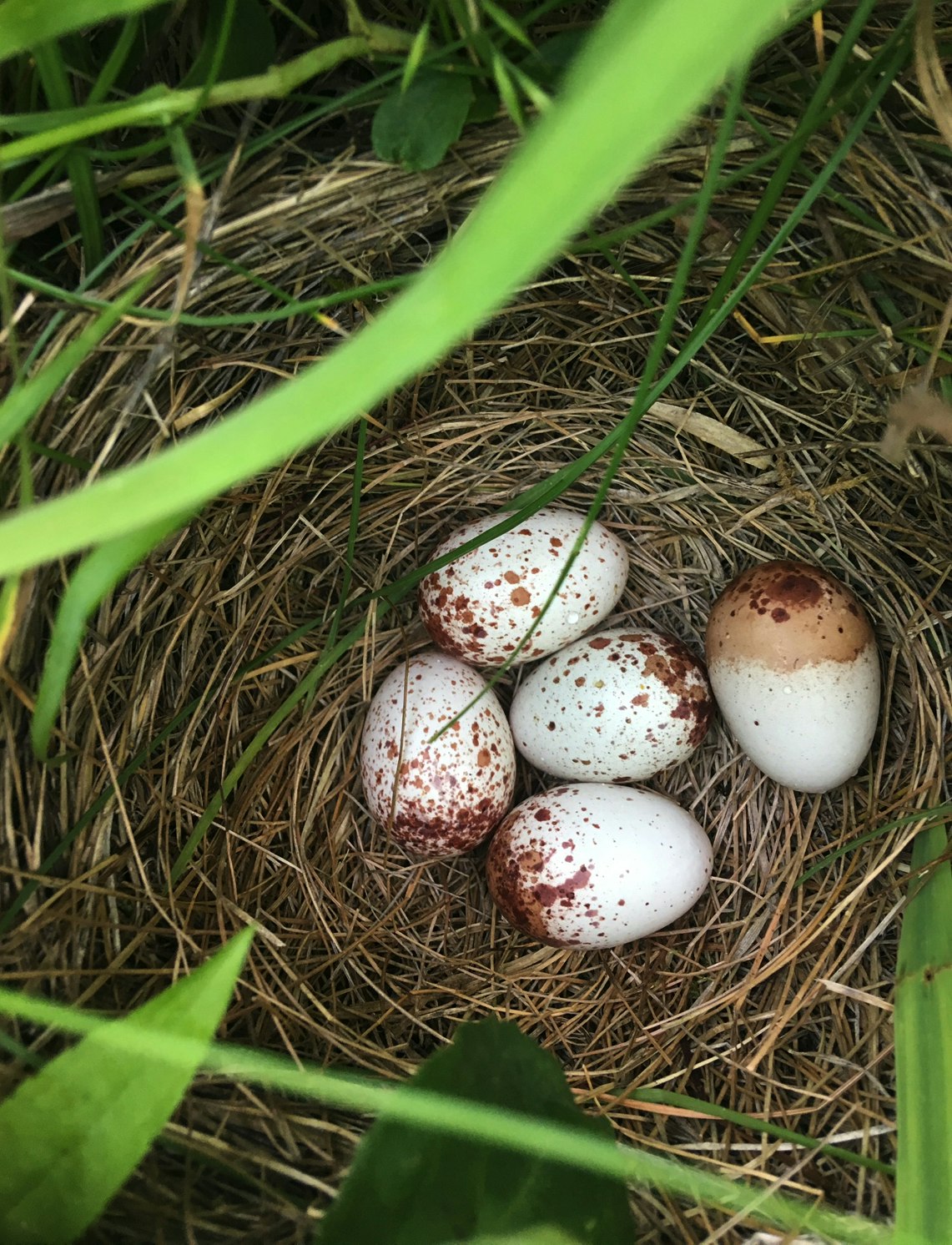
- Male Bobolinks return to New England in early May, with females arriving about a week later. Nest building and egg laying begins in late May. The month of June is the main nesting period when females incubate eggs and both parents feed nestlings. In early July, nests begin fledging young, who still can’t fly for up to 10 days after leaving the nest. By mid-July, many young birds have fledged, with more able to escape farm equipment with each passing day.
Here are some key ways that farmers can help protect these birds:
- We typically recommend delaying the first cut until after July 15th. An alternative haying schedule that allows for a first cut of high-quality forage early in the season while still giving some birds time to fledge young would be to take the first cut before May 20th and then wait 65 days before taking a second cut.
- Additional ways to support ground-nesting birds include adjusting mowing patterns and not mowing after sunset. Mowing the field from the center outwards, or towards unmowed areas, helps offer young birds a chance to escape into a safer area. It's important to avoid mowing after sunset because birds are more vulnerable when they're roosting.
- We conduct site visits to document the presence of grassland bird species, number of individuals, and nesting progress. By monitoring when the young fledge, we can clear fields for mowing as soon as possible.
- We offer free site visits, management tips, and financial compensation to farmers who are able to give nesting grassland birds the time they need.
Get In Touch
We’d love to hear from you! Contact Kate McKay, Seasonal Avian Technician, at mckay.wcnrcd@gmail.com or 802-380-3848 to learn more about this program or to arrange a site visit. Fields must be in Windham or Windsor County, Vermont, or Cheshire or Sullivan County, New Hampshire.